Fife Council and the Scottish Fire and Rescue Service (SFRS) are urging residents to take extra care when charging, using, and disposing of rechargeable electrical items, as fire incidents linked to lithium‑ion batteries continue to rise across the UK.
Rechargeable batteries – found in e‑bikes, e‑scooters, vapes, mobile phones, laptops and other everyday devices – can pose a significant fire risk if damaged, overcharged, or used with the wrong equipment. Nationally, fire and rescue services have reported an increase in fires associated with these batteries, many of which start in homes.
With an estimated 550,000 e-bikes now in use across the UK, the popularity of battery-powered transport continues to grow. These products rely on lithium-ion batteries, which are small, lightweight and extremely powerful – and must be handled responsibly.
Patricia Spacey, Housing and Safer Communities, Fife Council, said:“Rechargeable batteries are now part of modern life, but they come with risks we cannot ignore. Simple habits can prevent devastating fires. We’re asking residents to take a few minutes to check how they use, charge and dispose of these items at home.”
How to charge e‑bikes and e‑scooters safely
Residents are being urged to follow these essential safety steps:
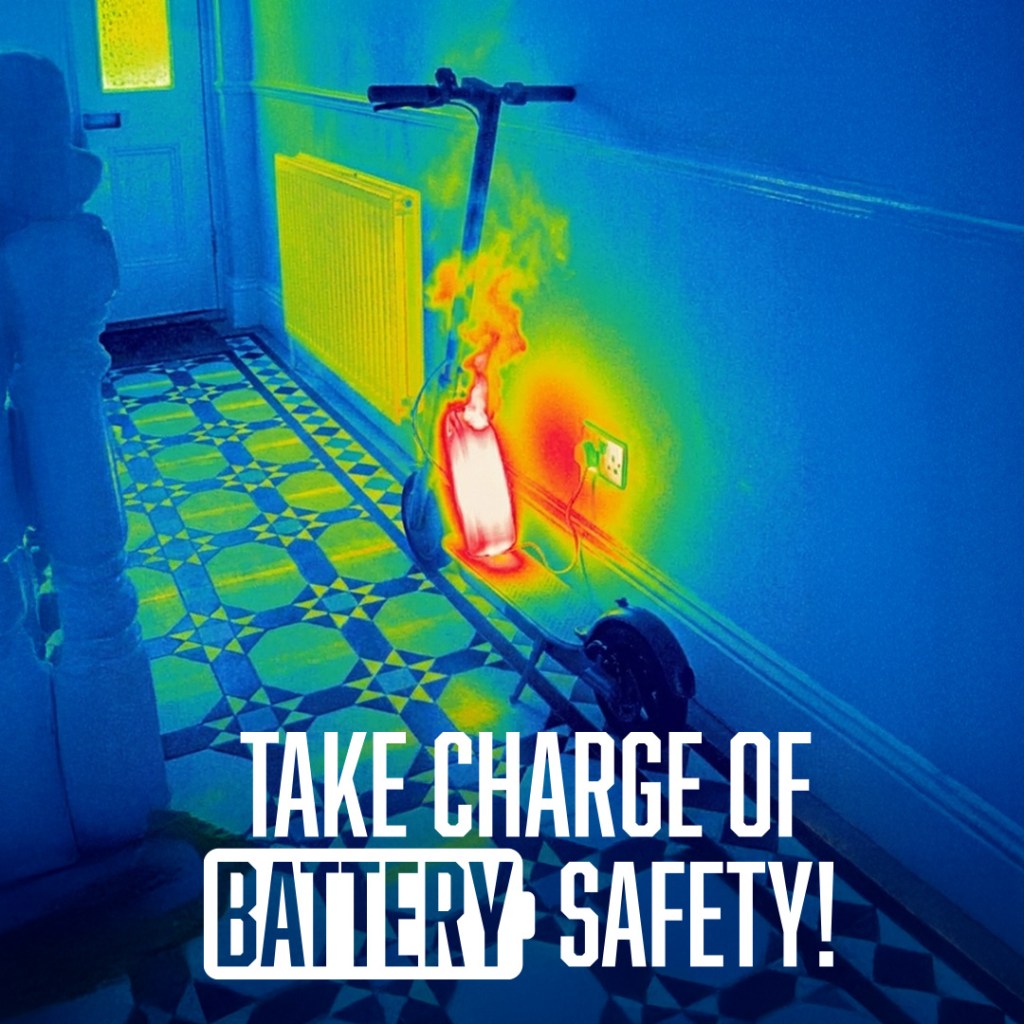
- Do not charge e‑bikes or e‑scooters in hallways, stairwells or shared areas – these can block escape routes and allow fire to spread quickly.
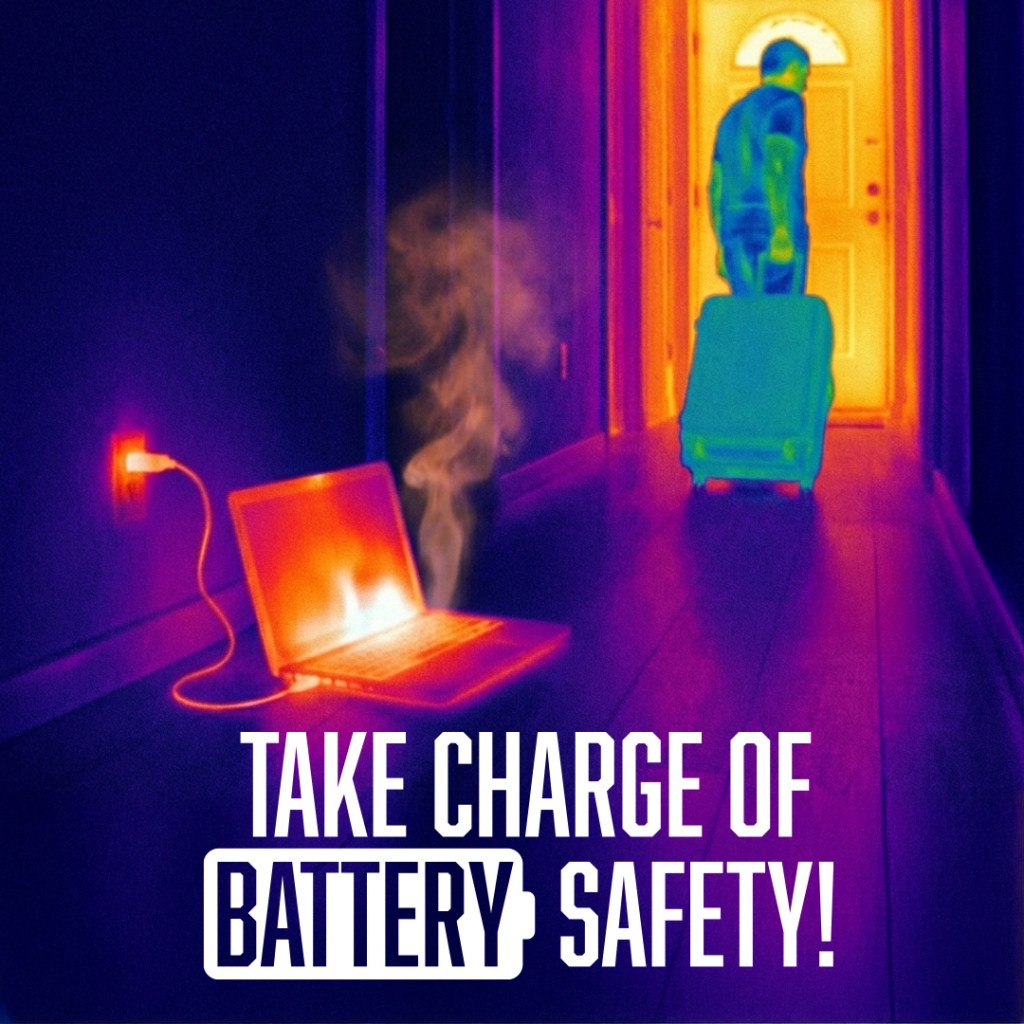
- Never leave batteries charging while you are asleep or out of the house.
- Always use the original charger supplied by the manufacturer. Incompatible or cheap chargers are a leading cause of battery failure.
- Charge and store batteries in a cool, dry, well‑ventilated space and keep them out of direct sunlight.
Small safety habits that make a big difference
- Check for damage – If a battery is swollen, cracked, leaking or giving off an unusual smell, stop using it immediately.
- Buy safe products – Only buy batteries and chargers from reputable suppliers.
- Unplug once charged – Remove the battery from the charger as soon as it is finished charging.
Dispose of batteries safely — never in household bins
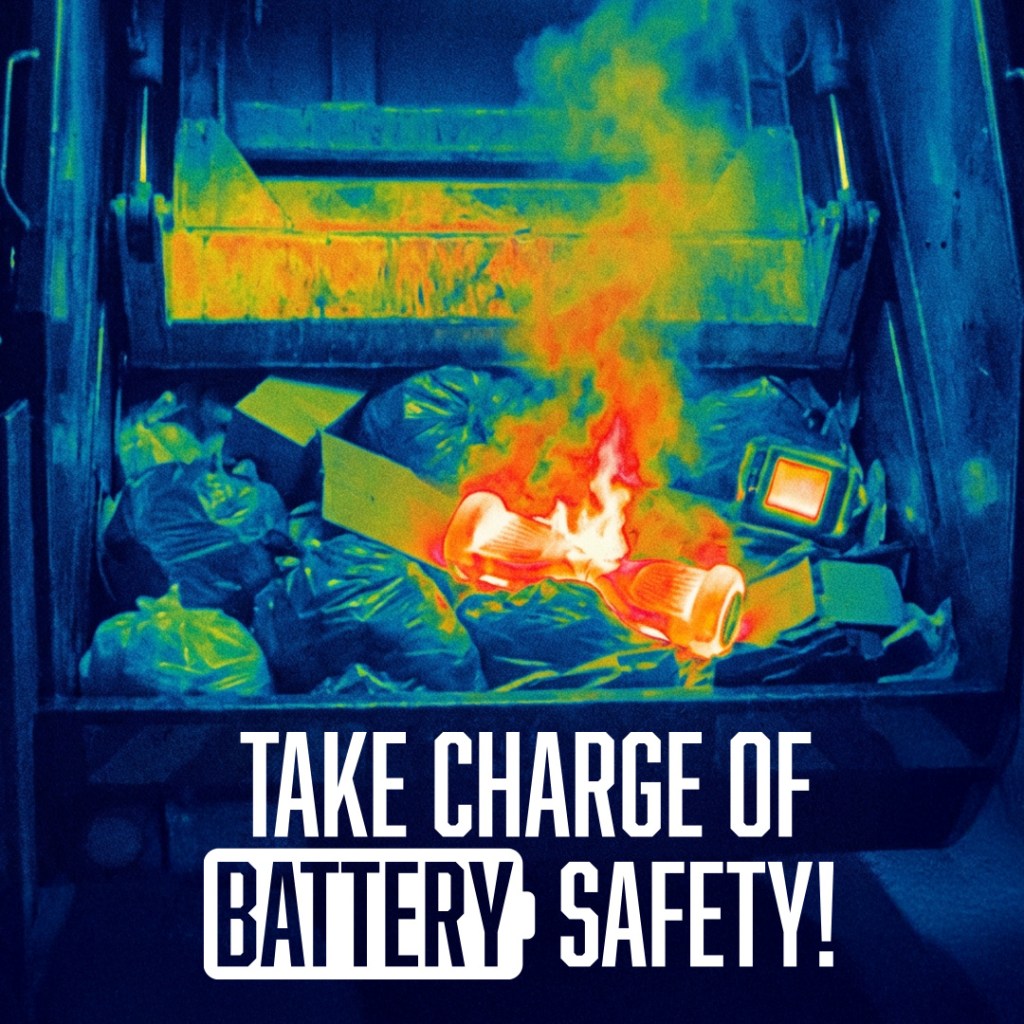
Rechargeable batteries must never be placed in household general waste or recycling bins. When crushed in waste lorries or compacted at recycling centres, they can ignite or explode.
Residents are strongly urged to:
- Take old or damaged batteries to a recycling centre or participating retailer.
- Remove e‑bike or e‑scooter batteries before placing the bike in a reuse container at a recycling centre.
- Consider repair and reuse first — local organisations such as Lang Toun Cycles may be able to refurbish or reuse e‑bikes and e‑scooters. Visit Climate Action Fife for details of local schemes.
Area Commander Lee Turnock, Scottish Fire and Rescue Service Local Senior Officer for Clackmannanshire, Fife and Stirling, said: “Lithium-ion batteries are increasingly common in everyday electrical items. If disposed of incorrectly, they can be damaged or crushed during the waste‑handling process, causing fires in household bins, refuse vehicles or at recycling centres. By following manufacturer guidance and local recycling advice, we can reduce the risk of dangerous fires and protect our communities.”
Find out more:
- How and where to recycle your electrical items: www.recycleyourelectricals.org.uk
- Recycling guidance for Fife and find your local recycling centre: www.fife.gov.uk/recycling (Note Cupar Recycling Centre cannot accept lithium-ion batteries)
- Fire safety advice for e‑bikes and e‑scooters: Scottish Fire and Rescue Service – E‑bike and E‑Scooter Safety