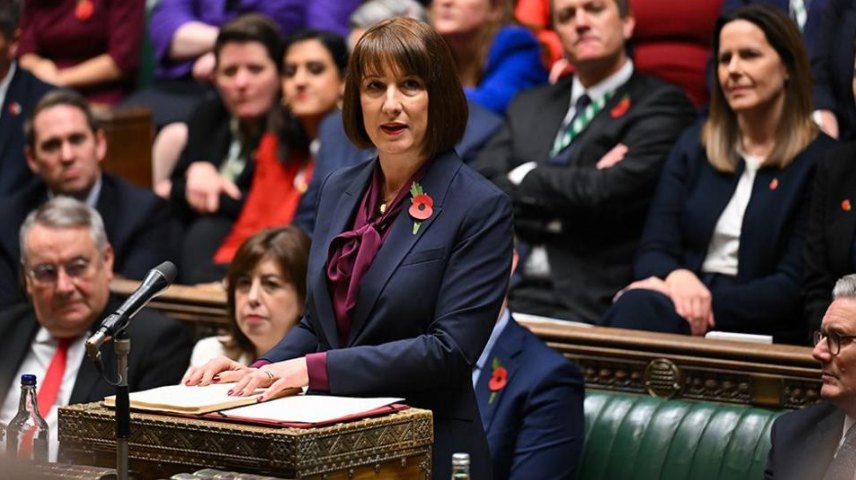
The first female UK Chancellor of the Exchequer, Rachel Reeves, delivered the first Labour budget in 14 years at Westminster today.
She said the government would “restore stability to our country” by “fixing the foundations of our economy, investing in our future, delivering change, rebuilding Britain.”
Reeves announced the Scottish Government would receive an additional £1.5bn in the current financial year and an extra £3.4bn for 2025/26, hailing the largest real-terms funding for Scotland since devolution began. Scotland’s Finance Secretary, Shona Robison, said the announcement was a “step in the right direction”.
Among a huge range of tax rises, mainly affecting business, the Chancellor said she needed to raise more than £40bn to pay for vital public services left in crisis by the Tories.
Government departments are to find 2% savings and efficiencies to help reduce overall spending and there was expanded work to tackle benefit fraud with the DWP given new powers to recover debts direct from individual’s bank accounts. The appointment of a Covid corruption commissioner, who will oversee the clawback of funding issued during the pandemic, was hailed in the House of Commons by MPs.
A focus of the budget was increased capital spending on infrastructure, totalling over £70bn, which will go into hospitals, schools, roads and other projects in England. Scotland receives a share of this investment through the Barnett formula.
The minimum wage is to rise to £12.21 in April 2025 and the Chancellor announced the aim of aligning rates for young adults to one single adult minimum wage rate. Young people aged 18-20 will see their rate increased from £8.60 to £10 per hour in the meantime.
There was good news for those on Universal Credit managing repayments of advances too, with Reeves announcing the DWP will be limited to recovering a maximum of 15% of their monthly standard allowance (down from 25%), meaning people will be able to keep more of their monthly benefit and repayments extended over a longer period.
Other announcements included:
- freeze on fuel duty until March 2026
- pensions will rise by 4.1% next year, worth nearly £450
- rise in Employers National Insurance contributions of 1.2%
- rise in Employment Allowance to £10,500 for small businesses
- drop in draught alcohol duty by 1.2% meaning around 1p off a pint
- abolishment of the Non-Dom tax status entirely from 2025
- a levy on the big energy giant profits of 38%
- VAT and business rates relief removed for all private schools
There was no mention of hundreds of millions of pounds for so-called “levelling up” projects, announced by the previous Conservative governemnt, including £5m for Dunfermline, which now hangs in the balance.
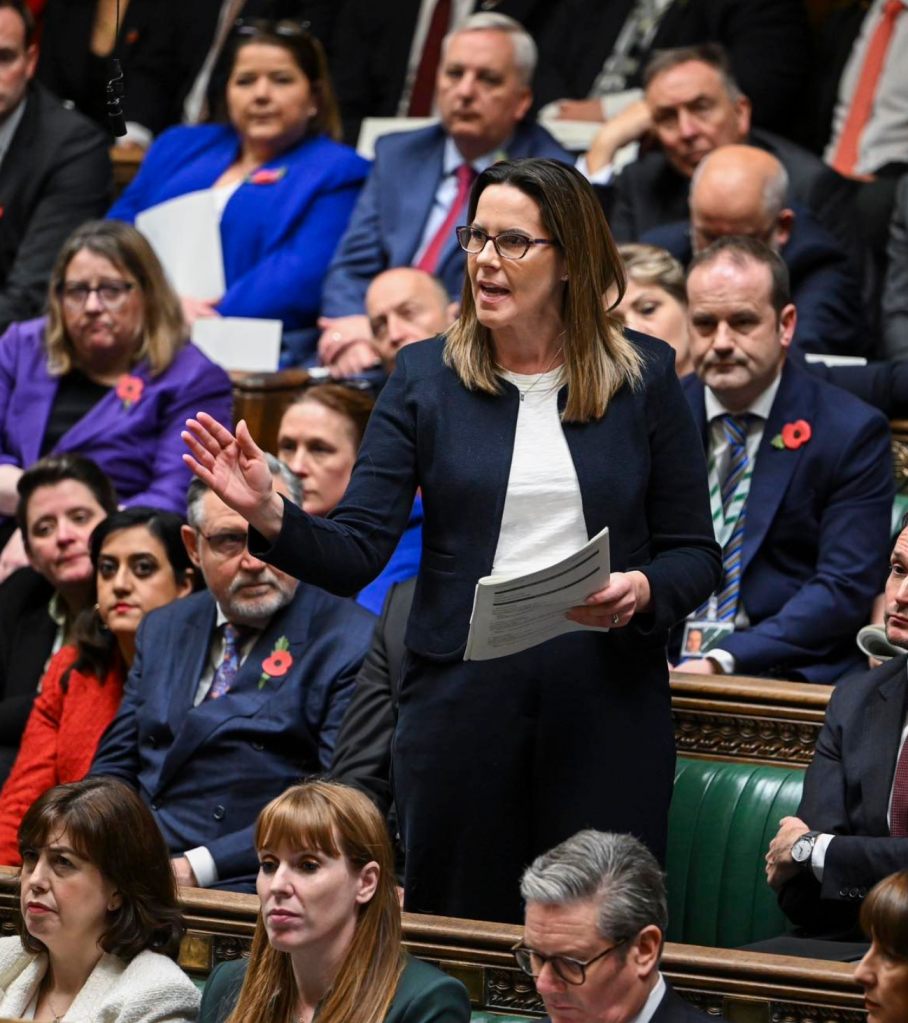
Newly elected Labour MP for Cowdenbeath and Kirkcaldy, Melanie Ward, said it was “really good news for Scotland” and welcomed the historic nature of the budget, being delivered for the first time by a female Chancellor. In a social media video to her constituents she said:
“£3.4m of extra funding is coming to Scotland for public services and it’s really important that the Scottish Government spend that money wisely to fix our schools, fix our NHS and sort out so many other problems we have in the public sector. People in Cowdenbeath and Kirkcaldy voted for change, and change is what we have started to deliver today.”
 Radio Cowdenbeath